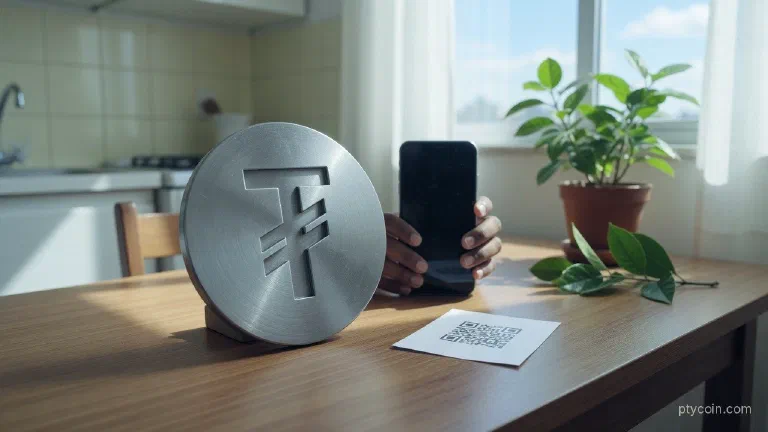

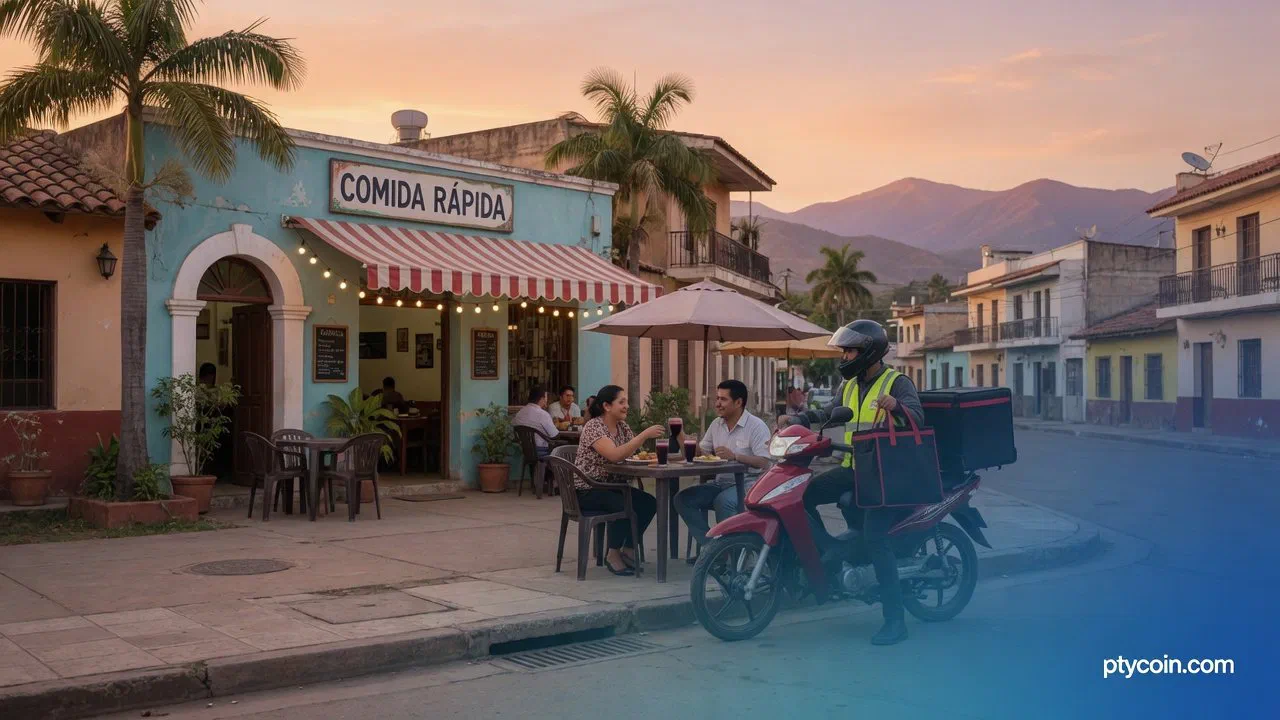
Tether confirmed on 14 August 2026 that Bolivian fintech wallet Peso and food-delivery app Yango Food now let customers pay for orders with USDT at more than 2,000 restaurants in Bolivia, while the delivery platform settles restaurants in bolivianos.
What launched
In a 14 August post on X (and a same-day Spanish-language version from Tether LATAM), Tether said digital dollars are becoming part of everyday life in Bolivia: through the Yango Food–Peso integration, users can order food from more than 2,000 restaurants and pay with USDT. Independent write-ups the same day from Crypto Briefing and CriptoNoticias fill in the product path.
Peso is a Bolivian startup co-founded by Alejandro Terán. Crypto Briefing describes it as a bridge between digital-dollar balances and local commerce: hold a dollar-linked balance in the app, spend through familiar rails such as QR codes, and skip the need for a traditional bank account on every purchase. Yango Food is the local food-delivery surface of the broader Yango services group and already runs restaurant delivery in Bolivian cities including Santa Cruz.
The handoff is the useful part. Per CriptoNoticias, the customer authorizes payment from the Peso app in USDT; Yango Food processes the order and later settles the restaurant in bolivianos. Diners do not need to walk a restaurant through seed phrases or a blockchain explorer. Merchants keep getting local-currency settlement. That is the same “abstract the chain, keep the checkout boring” pattern other LatAm payment products have used for payroll and remittances; here it lands on dinner.
Why Bolivia, why now
Bolivia spent most of the last decade with crypto effectively banned. The Central Bank of Bolivia reversed that path in June 2024 with Board Resolution N° 082/2024, allowing virtual-asset transactions through authorized electronic channels while keeping cryptocurrencies off legal-tender status. Reuters reported in June 2025 that virtual-asset transactions had soared more than 530% amid hard-currency stress, from US$46.5 million in the first half of 2024 to US$294 million in the same half of 2025, with volumes since the lift reaching US$430 million across more than 10,000 individual operations.
The stress is the demand side. Physical U.S. dollars have been scarce in the parallel market for years, and bank channels for hard currency are tight. Crypto Briefing and CriptoNoticias both frame USDT adoption in Bolivia as a practical response: people and shops use a dollar-pegged token when paper dollars are hard to find. That is savings and payments behavior, not a trading-desk story.
The banking system has started to meet that demand on its own rails. CriptoNoticias notes that state-owned Banco Unión added USDT to its Yasta wallet on 29 April 2026, and that Banco FIE opened a mobile “Cuenta Cripto” for USDT buy/sell around the same window. A delivery checkout on Peso sits on top of that wider shift: first banks open a regulated path to the token, then consumer apps spend it at the counter.
What the product does (and does not) claim
Public materials name three concrete facts: the 2,000+ restaurant count, USDT as the customer-side unit, and boliviano settlement for merchants. They do not publish a retail fee card, an FX spread at conversion, a named settlement chain (TRON, Ethereum, or otherwise), or independent order-volume numbers for the Yango lane. Treat the restaurant count and the payment path as company- and issuer-sourced until a third party audits throughput.
Custody is also not self-custody by default. Peso is a fintech app that holds dollar-linked balances for spend; diners who want keys in their own hardware still need a separate wallet stack. The product’s job is everyday commerce for people who already hold or buy USDT and would rather tap a delivery app than visit a casa de cambio.
How this sits next to other payment launches
Readers of this desk already saw El Vecino’s WhatsApp stablecoin remits into Mexico and Western Union’s Stablecard with Rain earlier this month. Those products optimize for cross-border remittance: send dollars home, cash out or spend. Peso × Yango Food optimizes for domestic spend after the dollar token is already in-country. Same asset class (dollar stablecoins), different last mile (restaurant delivery vs remittance corridor).
For LatAm payment builders watching Bolivia, the interesting signal is distribution. Yango Food already has the restaurant network and courier ops; Peso already has the USDT balance and QR rails. Neither had to invent a merchant-acquiring network from zero. That is how stablecoin utility spreads when physical dollars are the scarce resource: plug the token into an app people already open for dinner.
What to watch
Three checkpoints will show whether this is a sticky rail or a launch video:
- Order metrics. Public volume, completion rates, and average ticket size on the Yango Food USDT path over the next quarter.
- Fee and conversion clarity. All-in cost versus paying in bolivianos, and which network settles the USDT leg.
- Regulatory follow-through. CriptoNoticias reports the government has been evaluating a fuller role for USDT inside the national payments system; any formal BCB or ASFI rule will matter more than a single app integration.
Takeaway
On 14 August 2026, Tether confirmed that Peso and Yango Food let Bolivian users pay USDT at more than 2,000 restaurants, with restaurants still paid in bolivianos. The launch is a domestic spend product on top of a two-year post-ban boom driven by dollar scarcity, not a remittance corridor story.
If you already hold USDT in Bolivia and order through Yango Food, check whether Peso is available in your city and what the app quotes for fees before you depend on it for everyday spend. This is product reporting, not a recommendation to switch how you pay for dinner.