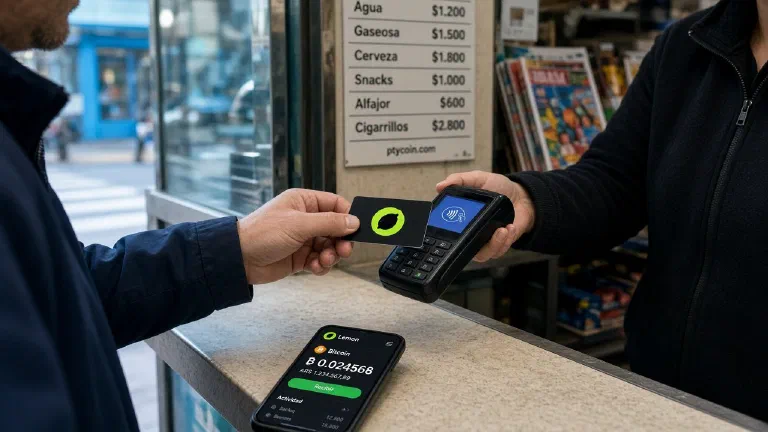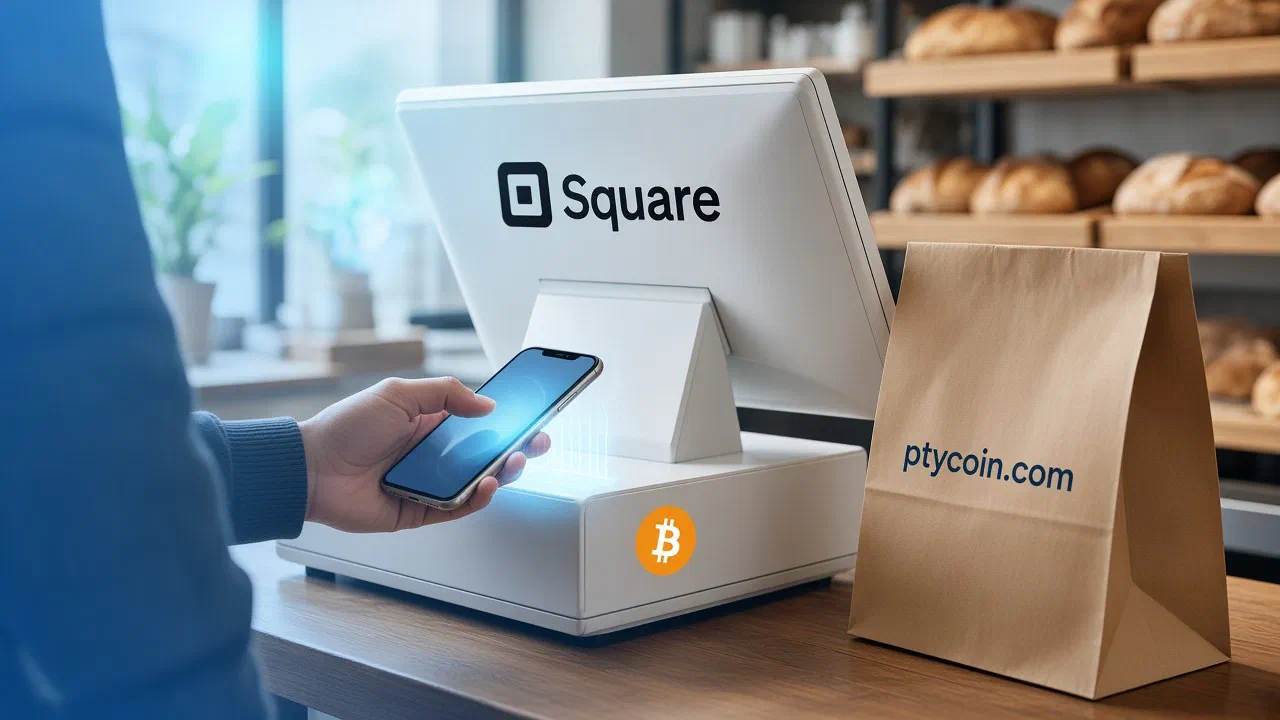
A shopper at an eligible Square seller in the United States can pay in bitcoin, and the seller can keep the bitcoin or take dollars. Taking dollars converts the bitcoin at once, and eligible new sellers are already set to that choice. Square’s support page says the method will be on at each location that qualifies.
Payment runs on the Lightning Network, a layer for moving bitcoin quickly on top of the Bitcoin chain. Square’s bitcoin page says a Lightning payment usually finishes in seconds and shows in the Dashboard almost right away, in bitcoin or in dollars, depending on the seller’s setting. A network problem or a technical fault may still slow one down.
According to Cointelegraph, Miles Suter, the Bitcoin product lead at Block, posted on X on 30 March 2026 that Square, Block’s payments platform, had started turning the feature on, and that he expected every Square merchant to have it by 10 November. According to PYMNTS, the rollout finished on Tuesday 10 November. That article put Square’s sellers above 4 million businesses, and it added that not every business qualifies or is taking bitcoin.
A QR code, or a tap on the second-generation Register
The seller enters the amount in dollars from Checkout or from the Menu, taps Pay, and chooses Bitcoin. A Lightning QR code appears. The customer scans it with a Lightning wallet and approves the payment.
On a Square Register the buyer can choose Bitcoin on the screen that faces them. The seller rings up the sale and taps Charge, the buyer picks Bitcoin, and the code shows on that screen. When the payment goes through, both screens confirm it, and the seller can send a receipt by email or text. The buyer-side choice is only on Square Register. Square Terminal, Square Stand and mobile devices do not offer it.
The second-generation Register adds a tap. The buyer taps the phone on the Register’s NFC reader, Lightning wallet open. Either side can select Bitcoin. Cash App, Coinbase and Wallet of Satoshi are the examples Square lists for that tap. The tap is not available on Terminal, Stand or a mobile device.
If the wallet shows the payment as sent and the register is slow, the seller opens the three dots and selects Complete payment. That control confirms the sale by hand and produces a receipt. Using it is up to the seller, and it assumes the bitcoin has left the payer. If the money never arrives, Square will not cover that hand-confirmed sale.
If the payment takes more than five minutes, it is declined. The seller has to make a new cart so the new total uses the rate at that moment.
Shops that run Square Loyalty still give points on the bitcoin sale.
US$600 per sale and US$20,000 a day
No sale can be larger than the bitcoin that $600 buys at the rate of that moment. A bigger purchase has to use another method. The cap for a whole day is $20,000.
Eligibility is automatic, and Square rechecks it. A business that does not qualify may see a notice that it is not eligible, and it has no way to opt in by hand. If the decision later changes, Get started appears in the Dashboard. The person using the feature must be 18 or older. It is closed to businesses and to locations in New York.
An older account may still need someone to switch it on under Banking, then Bitcoin, in the Square Dashboard. Setup enrolls the account for Square e-gift cards, and a refund on these sales is paid with one of those cards. The seller picks dollars or bitcoin. Choosing bitcoin means completing two-step verification if the account does not already have it.
The Square app has to be up to date. The payment can run in any device mode, and a seller can turn it off for a single mode. Doing that also takes Bitcoin off the customer screen, including the tap.
Invoices that allow a partial payment cannot include bitcoin. A seller who needs partial payments has to turn the method off. Sales tax on catalog items follows the account’s tax settings. A keypad sale needs tax switched on for each line.
A 0% fee through 31 December 2026
The processing fee is 0% through 31 December 2026. From 2027 it will be a flat 1%. The 0% rate through 2026 applies whether the seller keeps bitcoin or takes dollars.
The sale is priced at the dollar value of the goods. When the seller takes dollars, the conversion uses the market price at the moment of payment.
Bitcoin Conversions is separate. It can move up to 50% of a day’s net card sales into bitcoin, at a 1% fee, or 0.50% on Square Premium.
Square does not withhold capital gains or losses when the bitcoin payment comes in. A seller who keeps the bitcoin is responsible for tax on any increase between receipt and a later sale, and those figures will be included with a Form 1099-DA. The bitcoin page, on buying and selling, says Square may provide Form 1099-DA, that each taxpayer’s situation is different, and that Square cannot give tax advice.
No chargebacks, and the refund is a gift card
Square does not handle disputes or chargebacks on bitcoin payments. If something is wrong with the order, the shop and the customer have to sort it out. Card-style protections do not apply, and the payment is final.
Refunds come only as a Square gift card. From the point-of-sale app on a phone or a tablet, the seller opens the transaction, chooses items or a dollar amount, adds a reason, and confirms. The card is in dollars. Square sets it from the bitcoin on the original payment, counted in dollars, and the customer spends it in that shop.
The sale appears in Square’s sales reports, flagged as bitcoin. In the Banking tab, under Bitcoin, the same payment is listed in dollars and in bitcoin. The order summary shows both figures. A seller can filter those reports to bitcoin and download a CSV.
This article is not investment advice.